


Objective
This guide explains what to do after finding a bee nest, how to tell bees from wasps, when a nest may become a property concern, and when professional help makes sense.
Key Takeaways
- Do not disturb, spray, or block an active bee nest.
- Try to identify whether you are dealing with honey bees, bumblebees, or another bee.
- Keep children and pets away from the area.
- A swarm is different from an established nest inside a building.
- Honey bees are important pollinators, so removal should not be the automatic answer.
- Get professional advice when bees are inside a wall, roof, chimney, or another difficult location.
Introduction
Finding bees repeatedly entering your roof, wall, shed, or garden can be worrying, especially if you have children or someone with a serious bee-sting allergy at home. But should you remove the nest straight away? Not always.
The safest first step is to identify the type of bee, keep people and pets away, and understand where the bees are nesting. If you need Bee nest removal in Colchester, professional advice can help you choose the right response rather than taking a risky DIY approach.
Table of Contents
- How to Tell What Type of Bee You Have
- What to Do When You Find a Bee Nest
- Where Bees Nest Around Colchester Properties
- When Does a Bee Nest Become a Problem?
- When Should You Call a Professional?
- How to Reduce Future Nesting Risks
- Frequently Asked Questions
- Conclusion
How to Tell What Type of Bee You Have
Before taking action, work out what you are dealing with. Bees and wasps need different approaches, so guessing can make the situation worse.
Honey Bees
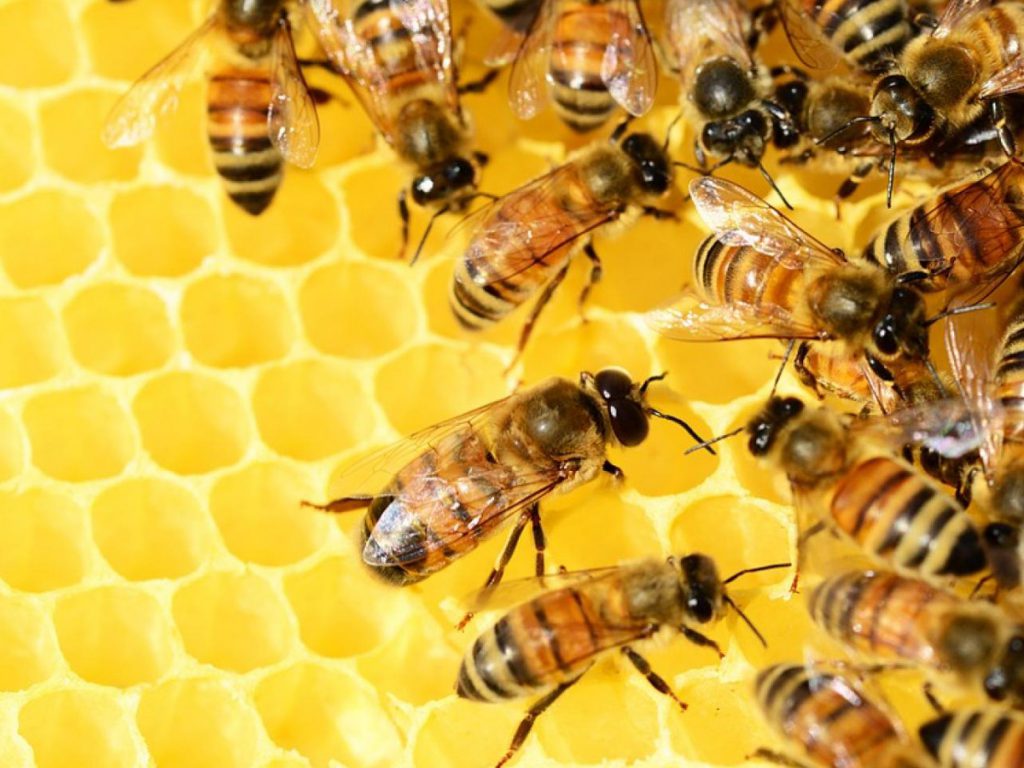
Colchester City Council describes honey bees as having a slim, sandy-coloured thorax and a dark abdomen with golden-amber bands. They live in colonies that can contain several thousand bees.
The British Beekeepers Association says there are around 250 bee species in the UK, but only one is the honey bee. There are also around 24 bumblebee species and more than 240 solitary bee species.
Bumblebees
Bumblebees are usually larger and hairier than honey bees. Many nests are temporary and may be best left alone when they are not creating a safety concern.
Bees or Wasps?
If the insects look smooth, strongly yellow and black, and you see them entering a paper-like nest, you may be looking at wasps rather than bees. If you are unsure, do not approach the nest to get a closer look.
What to Do When You Find a Bee Nest
Here’s the thing: the worst first move is usually to interfere with the nest yourself.
Keep Your Distance
Keep children and pets away from the area. Do not poke the nest, spray chemicals into an entrance, burn anything nearby, or block the opening.
The British Beekeepers Association advises people to stay away from honey bee swarms and keep children and pets indoors while waiting for suitable help.
Watch From a Safe Distance
You can safely note:
- Where bees enter and leave
- Whether they use one fixed opening
- How long you have seen activity
- Whether the bees are in a cluster or repeatedly entering a building
This information can help a beekeeper or pest professional understand the situation.
Do Not Seal an Active Entrance
This point matters. If bees have established a colony inside a wall or roof, blocking the visible opening may not solve the problem. The bees may look for another route into the property.
Where Bees Nest Around Colchester Properties
Bee activity can occur in gardens, sheds, roof spaces, wall cavities, chimneys, and other sheltered areas.
| What you see | What it may mean | Sensible next step |
| Bees around flowers | Foraging activity | Observe from a distance |
| Large cluster outdoors | Possible honey bee swarm | Contact a local swarm collector |
| Bees entering one wall opening | Possible established colony | Seek professional advice |
| Bees entering roof space | Possible colony in the building | Do not block the entrance |
| Bees inside the home | Nest or entry point may be nearby | Keep people away and seek help |
Bees inside the home Nest or entry point may be nearby Keep people away and seek help
The BBKA notes that its volunteer swarm collectors can help with honey bee swarms, but they generally cannot collect honey bees from roof voids, cavity walls, or chimneys.
When Does a Bee Nest Become a Problem?
A bee nest is not automatically a pest problem. The UK Health and Safety Executive says honey bees are valuable pollinators and that insecticide treatment should be used only as a last resort.
The situation needs closer attention when:
- Bees enter occupied rooms.
- The nest sits beside a main entrance.
- Children regularly play nearby.
- Someone in the household has a serious allergy.
- Bees have established a colony inside a wall, roof, or chimney.
- The location makes normal use of the property difficult.
For example, imagine a family notices bees entering a small gap beneath the roof. Instead of spraying the entrance, they keep the area clear and arrange an assessment. That simple decision avoids unnecessary contact with the colony and gives a professional a chance to identify the right course of action.
When Should You Call a Professional?
If you need Bee nest removal in Colchester, start with an assessment rather than assuming treatment is required.
North Essex Pest Control is based in Colchester and provides residential and commercial pest services across North Essex. Its website says its technicians are qualified and insured, and its bee guidance states that eradication should be the last option because of the importance of bees.
A professional assessment can help establish:
- What type of bee is present
- Whether the colony is established
- Where the nest is located
- Whether the location creates a genuine safety concern
- What management option is suitable
The company serves Colchester and nearby areas including Tiptree, Lexden, Mersea, Marks Tey, Rowhedge, Fingringhoe, Peldon, Langenhoe, Fordham, and Copford.
For other pest problems, Pest control Colchester services can also help with identification, prevention, and property proofing.
How to Reduce Future Nesting Risks
Once the situation has been assessed, look at the property itself.
Check roof edges, wall gaps, damaged fascia, soffits, sheds, and other sheltered areas. However, do not seal an opening while an active colony may still be inside.
If you manage rental homes or a business, regular property checks can help identify access points before they become a larger concern.
Found Bees? Take the Safe First Step
Finding a bee nest does not mean you need to reach for insecticide. Identify the bee, keep your distance, protect vulnerable household members, and get useful advice when the colony is inside your property or creating a safety concern.
If you need Bee nest removal in Colchester, North Essex Pest Control can assess the pest situation and provide professional advice. The company also offers professional pest control services that Colchester residents and businesses can use for wider pest problems.
Contact North Essex Pest Control before attempting DIY removal. A proper assessment can help you choose a safer and more suitable response.
Frequently Asked Questions
Should I remove a bee nest from my property?
Not automatically. Identify the bee and assess the nest location first, as some colonies may be better left alone or handled through appropriate bee management.
Are bee nests dangerous?
Bees generally do not seek to sting people, but disturbing a nest can create a sting risk. Extra care is needed around children and people with serious allergies.
Can I remove a bee nest myself?
DIY removal is not recommended for an established colony, particularly inside walls, roofs, or chimneys. HSE advises members of the public to consider professional pest control or beekeeper advice.
What should I do if I find a honey bee swarm?
Stay away from the swarm and contact an appropriate local swarm collector. BBKA guidance says honey bee swarms often form a large cluster and can be collected for rehoming.
Who can help with bees in Colchester?
Colchester City Council does not offer a bee-removal service and directs residents towards the Essex Beekeepers Association for help and advice.